The Great Smoky Mountains are one of those rare destinations that genuinely deliver throughout the year. The park is open year-round, and whether you're chasing fall foliage, spring wildflowers, summer adventures, or a quiet winter escape, the Smokies have something worth showing up no matter when you drop by.
That said, the best time to visit the Smoky Mountains depends on what you're looking for. Crowds, weather, trail conditions, and available activities all shift significantly from season to season, and knowing what to expect can make the difference between a good trip and a great one. As a zipline operation based in Sevierville, Tennessee, we've watched every season roll through these mountains and we know firsthand what visitors experience throughout the year.
This guide breaks down what to expect in each season so you can find the best time to plan your visit to the Smoky Mountains for your next trip.
| Month | Average High | Average Low | Crowed Level | Notes |
|---|---|---|---|---|
| January | 49°F | 26°F | Very Low | Best budget window; snow possible at higher elevations |
| February | 53°F | 29°F | Very Low | Quiet trails; occasional late-season snow |
| March | 62°F | 35°F | Low | Early wildflowers; unpredictable weather |
| April | 71°F | 42°F | Moderate | Peak wildflower season; spring break crowds |
| May | 77°F | 51°F | Moderate | Synchronous firefly lottery; rhododendron blooms |
| June | 83°F | 59°F | High | Summer season begins; afternoon storms common |
| July | 86°F | 63°F | Very High | Busiest month of the year; peak heat |
| August | 85°F | 62°F | Very High | Late summer families; slight crowd dip final week |
| September | 80°F | 56°F | Moderate | Early high-elevation color; elk rut begins |
| October | 71°F | 44°F | Very High | Peak fall foliage; second busiest month |
| November | 61°F | 35°F | Low | Late foliage at lower elevations; excellent value |
| December | 52°F | 29°F | Low | Holiday lights in Gatlinburg and Pigeon Forge |
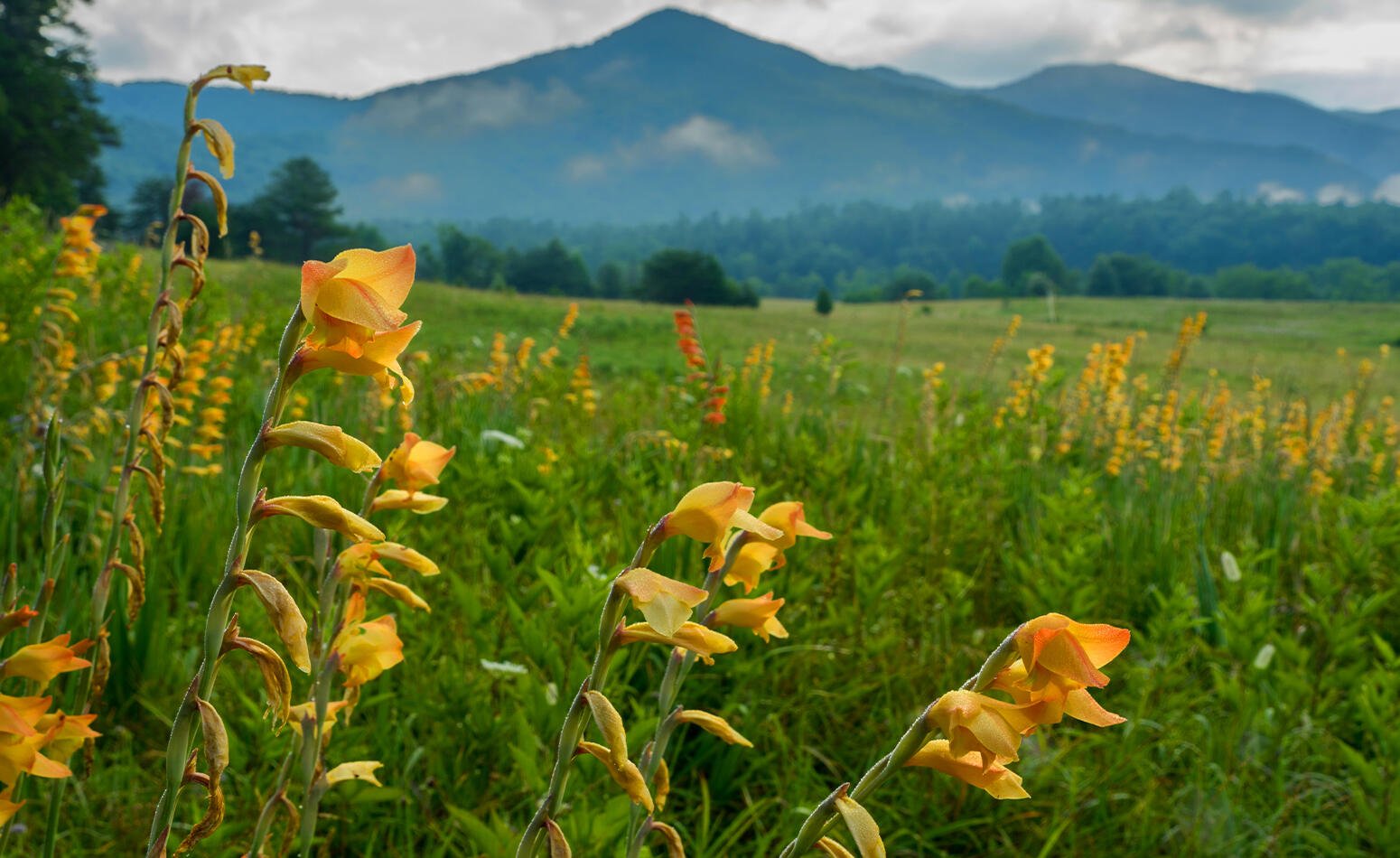
Spring in the Great Smoky Mountains is full of new energy and budding nature. As temperatures warm up, weekend crowds begin to build. On weekdays, visitors will often find peaceful trails and quieter attractions. If we had to pick the visiting time sweet spot, late April through early May is hard to beat. The wildflowers are peaking, the waterfalls are running strong from spring rainfall, and the summer crowds have not yet arrived.
Spring weather in the Smokies can be delightfully unpredictable. Visitors may be surprised by late-season snow in the Great Smoky Mountains in March, while days in May often warm to the 60s and 70s. Pack clothing layers and watch the forecast because mountain weather can change rapidly. Rain showers become more frequent as the season progresses, so it’s also a smart move to pack waterproof gear.
Trout fishing in the crystal-clear streams of the Smokies is a popular springtime activity. Hiking trails start to reopen as winter ice melts, though some may remain closed through early spring. Be sure to check trail openings ahead of time if you plan to hike at higher elevations.
During the late spring, flowers and trees begin to bloom across the mountains. Nature photographers love spring in the Smokies because of the many varieties of wildflowers in bloom. This is also the time of year that visitors may be able to spot adorable baby animals throughout the park.
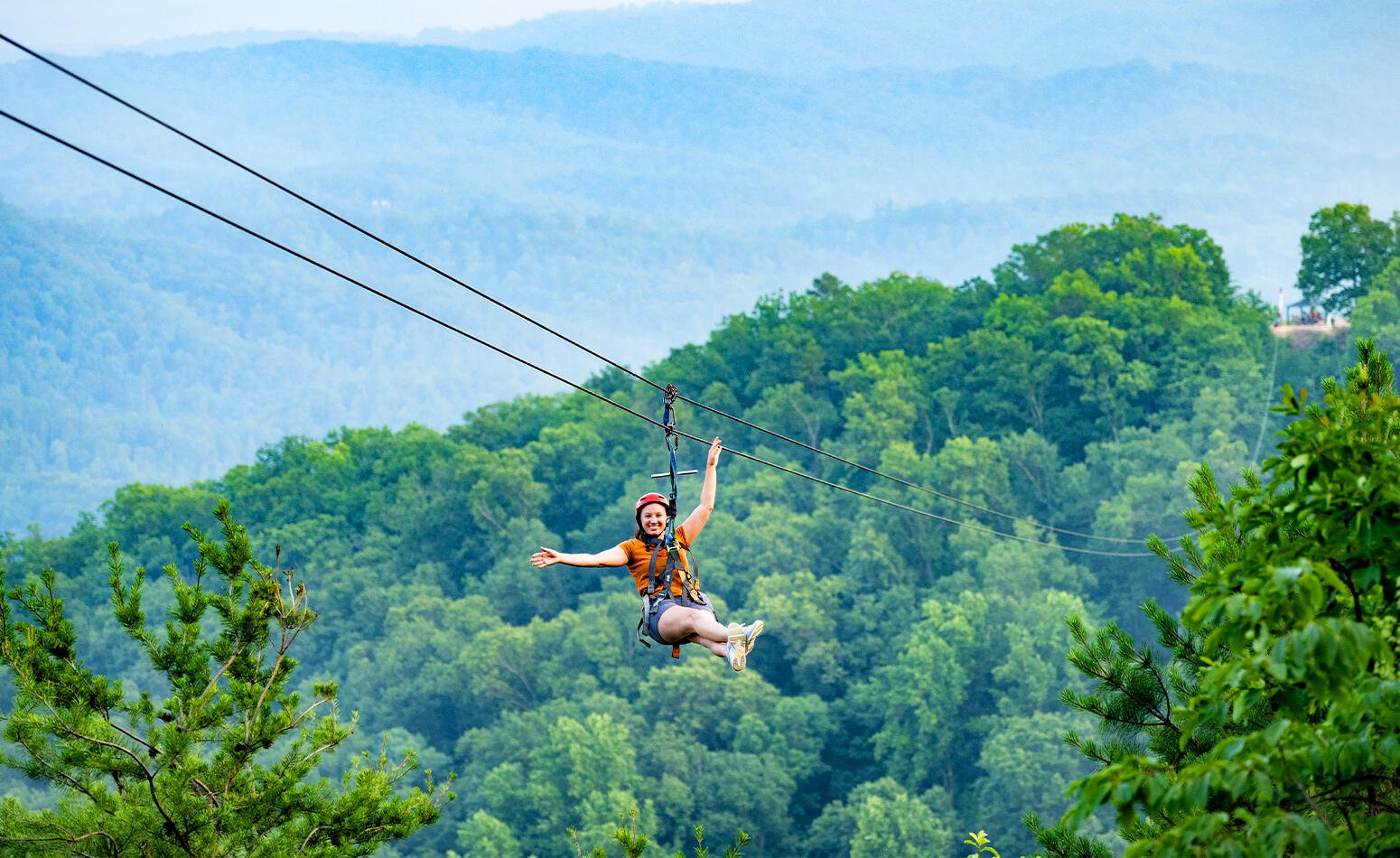
Summer is peak visitor season in the Smokies, with July claiming the title of busiest month. Long, warm days and full access to park activities, and a packed calendar of events in nearby Gatlinburg and Pigeon Forge make summer one of the most rewarding times to visit. We just recommend planning ahead and arriving early to make the most of it.
Daytime temperatures typically range from the 70s to 80s, occasionally reaching the 90s in lower elevations. Afternoon thunderstorms are common and make waterfalls particularly beautiful. Visitors can expect high humidity most days. Morning and evening hours are typically cooler, and the higher elevations don’t get quite as hot.
Warmer temperatures make water-based activities like kayaking, river tubing, and swimming extra appealing. Morning and evening hikes are cooler than going out in the heat of the afternoon. Ziplining is another popular outdoor activity in the summer, and a great way to cool off!
July is black bear mating season, and wildlife activity peaks throughout the summer months. The lush forest canopy provides shade, while mountain laurel and rhododendron add splashes of color to the green of the mountainside. The region's bugs are also at their most active
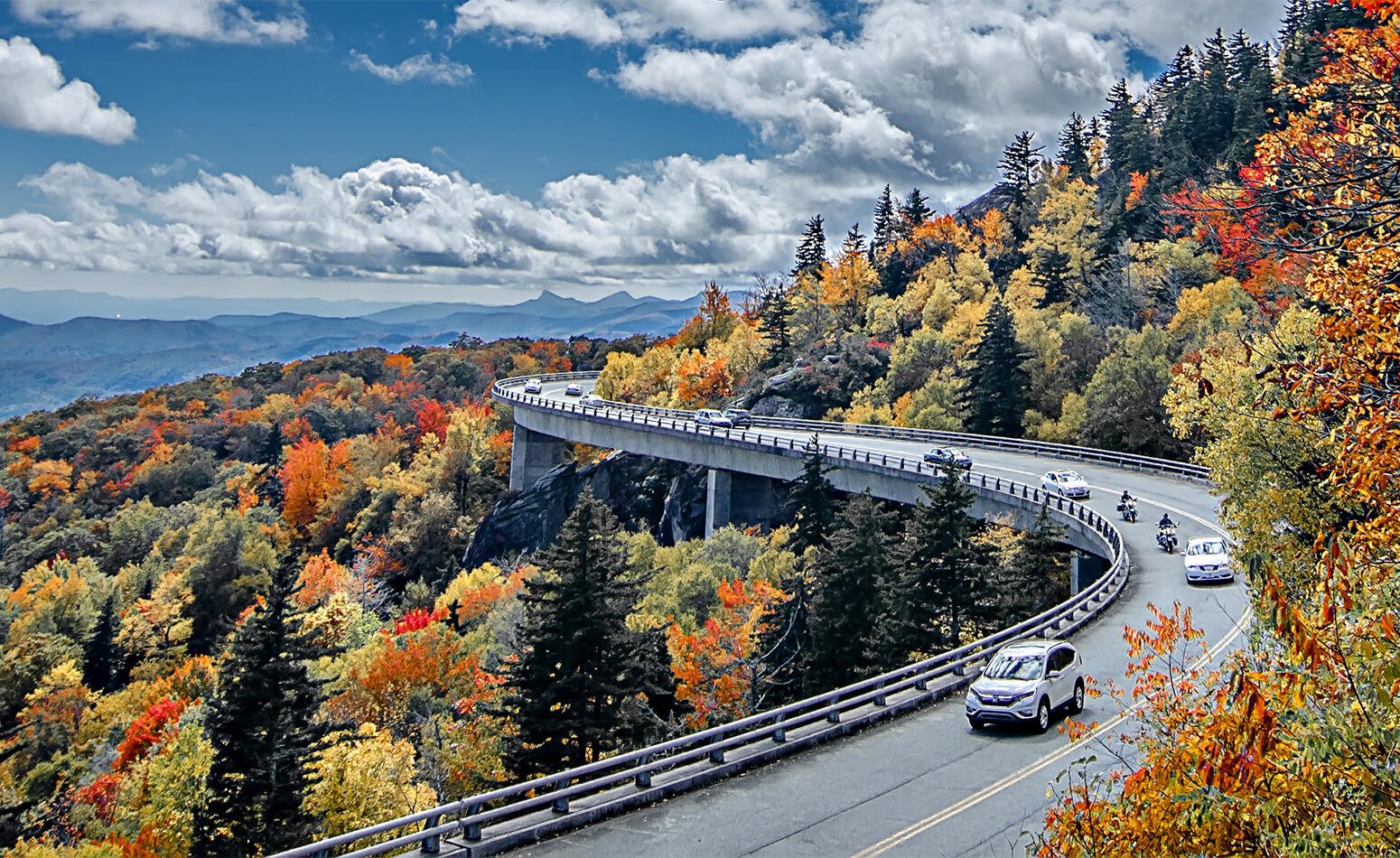
Fall months have the second-highest number of visitors, especially in October when the forest changes color. The comfortable temperatures and clear skies make this season especially popular for hikers and nature photographers. If you're an outdoor enthusiast, the fall may be the best time to go to the Smoky Mountains.
Early fall stays on the warm side with temperatures in the 70s and 80s. By November, high temperatures have dropped to the 60s and lows will be near freezing. There is typically less rainfall in the autumn months than any other time of year. The clear skies and changing colors make the views from higher elevations particularly stunning.
Scenic drives are popular in the fall, especially for visitors looking for the best views of changing leaves. Local harvest festivals celebrate the season with live music, hand-made crafts, and delicious foods. Outdoor activities remain popular throughout autumn months, especially hiking and trail biking.
The Smoky Mountains are considered one of the best places to see the leaves change in the United States. The famous color display typically begins at higher elevations in late September, gradually working its way down the mountainsides throughout November. You might hear the bugling of elk during mating season. It’s also a busy season for bears and other hibernating animals as they actively prepare for winter.
The Smoky Mountains in November through February offer the most peaceful experiences of any season, with the fewest visitors and plenty of unobstructed views. This time of year offers the rare chance to experience one of the country’s most visited national parks almost entirely on your own terms.
Winter in the Smokies is fairly moderate in the valleys, with more dramatic weather possible higher in the mountains.
Lower elevations often reach 50 degrees or higher during the day, occasionally even climbing to the 70s. Snow is more frequent at higher elevations. The most snow falls in January and February, and higher elevations can occasionally get up to two feet during storms. Temperatures typically drop below freezing across all elevations overnight.
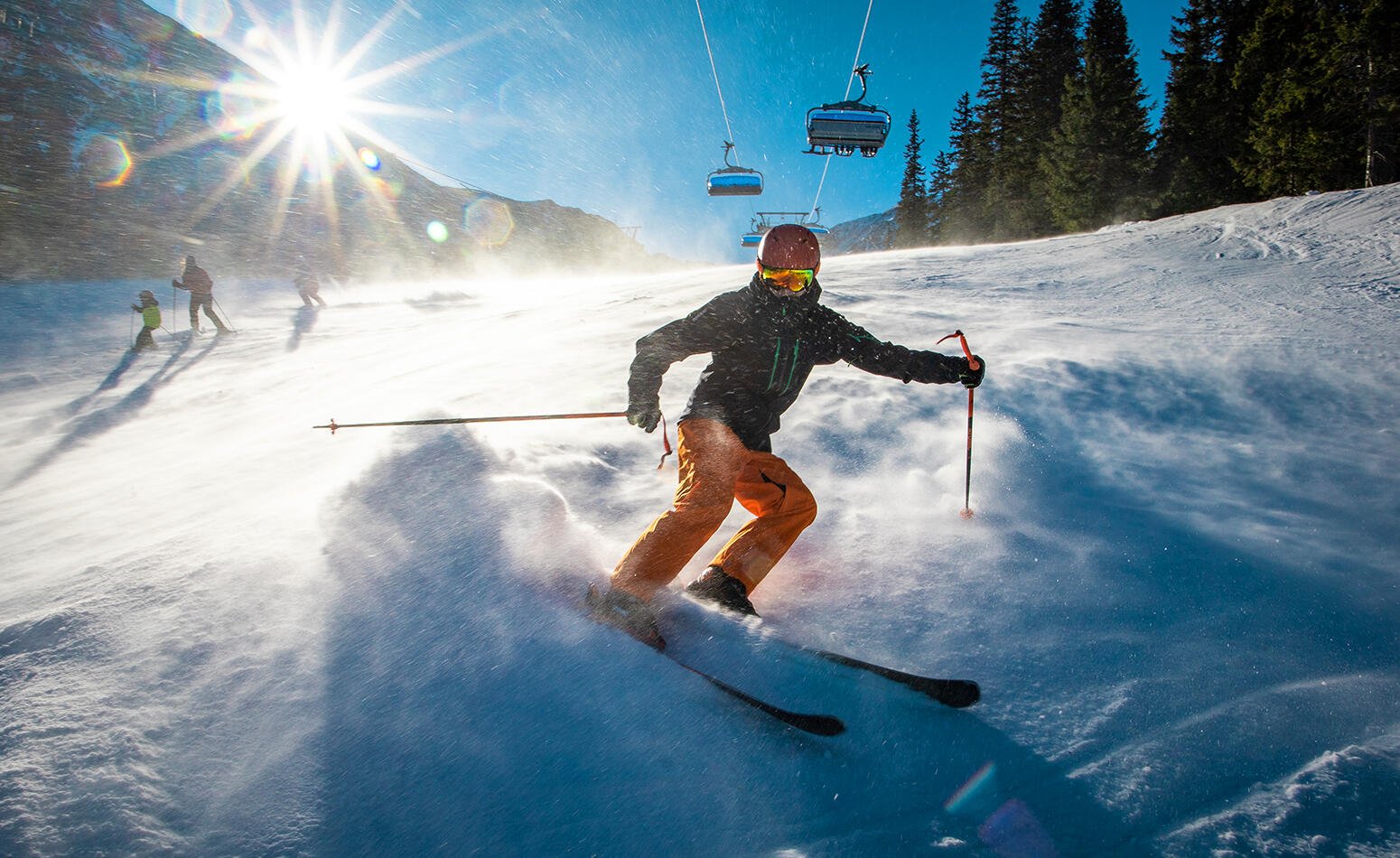
Nearby Gatlinburg and Pigeon Forge host special holiday events with plenty of festive displays and twinkling lights. Winter sports enthusiasts enjoy skiing and snowboarding at Ober Mountain. Visitors who prefer indoor winter activities can rent cozy cabins and spend their evenings by the fire. If you plan to explore the mountains in the winter, be sure to check ahead for road closures.
Spotting wildlife in the forest is easier between the bare branches of the trees. Nature photographers appreciate winter's clear air quality and visibility. After a snowfall, the contrast between white-covered peaks and deep green pines creates particularly stunning views.
The Great Smoky Mountains are special in every season. Spring's wildflower displays, summer's outdoor adventures, fall's spectacular colors, and winter's peaceful solitude make every season a good time to visit the Smoky Mountains. The best time to visit depends entirely on what you hope to experience and what suits your individual needs.
For a unique perspective of the Smokies in any season, join us at Legacy Mountain Ziplines. Book your premium zipline adventure today and soar above the Smokies on our 7-line course!
It depends on what you're looking for. Late April through early May offers a great combination of mild weather, blooming wildflowers, and lighter crowds. If fall foliage is the priority, the last week of September is a smart choice for early high-elevation color before the October crowds arrive.
We truly believe there’s no ‘bad’ time, but if you forced our hand we would say that July brings the heaviest crowds and the hottest temperatures of the year. Parking lots at popular trailheads fill early, and traffic on main routes through the park can be congested. That said, an early start and a weekday visit go a long way toward making summer work.
October stands out for its dry, clear skies, comfortable daytime temperatures, and spectacular fall color. May is another excellent option, offering warm days and relatively manageable crowds before the summer peak kicks in.
March is a great time to visit the Great Smoky Mountains if you do not mind a little unpredictability. Daytime temperatures at lower elevations typically reach the low 60s, crowds are thin, and early wildflowers begin appearing by late March. Nights can still drop into the mid-30s and rain is common, so packing layers and waterproof gear will keep you comfortable. Higher elevations may still see snow, so check trail conditions before heading out.
Yes, and it is more rewarding than most visitors expect. Crowds drop significantly, trails at lower elevations stay accessible most days, and a fresh snowfall on the ridgelines creates scenery that looks nothing like the park in other seasons. It is also the most budget-friendly time to visit.
No. The Great Smoky Mountains National Park is one of the few major national parks in the United States that charges no entrance fee. The park is free to enter year-round for all visitors.
Color change typically begins at higher elevations in mid-September and gradually works its way down the mountainsides through early November. Peak color at most elevations falls in mid-October, but visiting in late September or the first two weeks of November offers solid foliage with noticeably thinner crowds.